
On this page
Why Look at Alternatives
Pay later can be useful, but it isn't always the best fit. Automatic payments can collide with other bills, several small plans can be hard to track, and late fees can add up. For some costs, especially bills rather than purchases, other options cost less or carry less risk.
Save First, Then Buy
For a purchase that can wait, saving for it costs nothing. Set aside the same amount you'd pay in installments, on the same schedule, and buy the item when you have the full amount. You keep the flexibility to change your mind and avoid any late fees.
Pay With Debit or Cash
If you have the money, paying in full with debit or cash keeps the purchase from adding another payment schedule to your month. It's the simplest way to avoid overlapping plans.
A Credit Card You Pay in Full
If your credit card has a grace period, paying your full statement balance by the due date means you generally won't pay interest on purchases. Card issuers must send your bill at least 21 days before the due date. Grace periods aren't required, though, and carrying a balance means paying the card's APR, so this works only if you can pay the statement in full.
Avoid cash advances: they usually come with a fee and a higher APR, and interest starts right away.
A 0% Introductory APR Card
Some cards offer a 0% introductory APR on purchases. Promotional rates must generally last at least six months. Unlike deferred interest promotions, a true 0% intro APR charges interest only on the balance left when the promotion ends. Whether you qualify depends on your credit, and the regular APR after the promotion can be high, so have a plan to pay the balance off in time.
Layaway
With layaway, the store holds the item while you pay for it, and you take it home once it's paid in full. There's no credit involved. Ask about fees, cancellation rules, and refunds, and get the policy in writing.
A Credit Union Loan
Credit unions are member-owned and may be a lower-cost source of small loans. You may be able to join through where you live, work, worship, or go to school, or through a family member who's already a member. Federal credit unions can also offer payday alternative loans (PALs): small loans with capped application fees of no more than $20 and a capped interest rate, currently up to 28% while the federal credit union rate ceiling stays at its current level.
A Personal Loan for Larger Costs
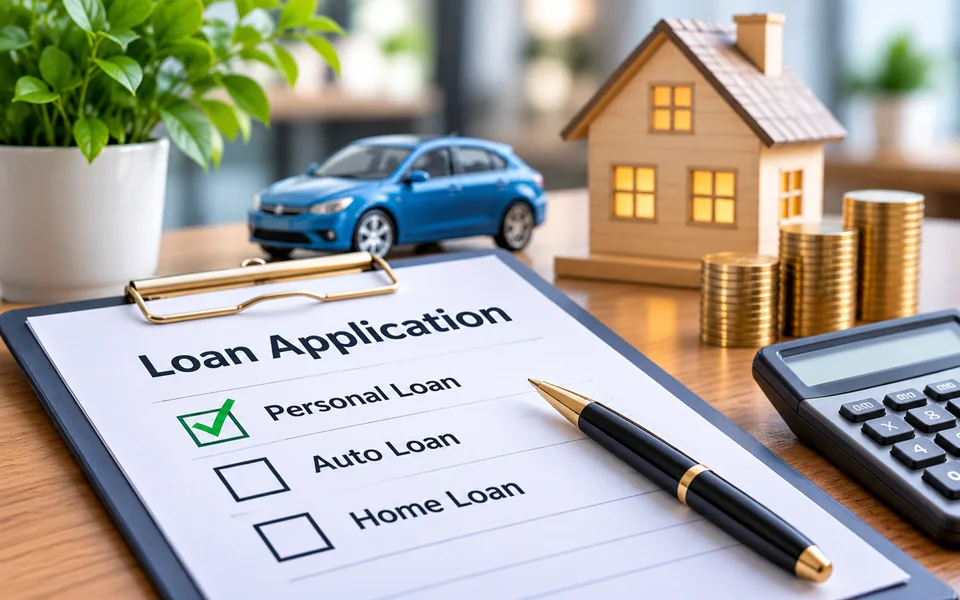
For a larger cost you need to spread over many months, or for expenses BNPL can't cover, a personal loan gives you cash with a fixed monthly payment and an APR disclosed before you sign. It charges interest, so it isn't a substitute for an interest-free plan, but it can be easier to budget for than several overlapping pay later plans.
For Bills: Ask the Company You Owe
Pay later is designed for purchases. If you're trying to spread out a bill, start with the company that sent it: many offer payment arrangements, often without interest, and assistance programs may cover part of the cost. See bill payment alternatives for options by type of bill.
| Best for | Watch out for | |
|---|---|---|
| Saving first | Purchases that can wait | Needs patience; prices can change |
| Card paid in full | Short-term float until your statement is due | Interest if you carry a balance; not all cards have a grace period |
| 0% intro APR card | Larger purchases you can repay before the promo ends | Qualifying, and the regular APR afterward |
| Layaway | Avoiding credit entirely | Store fees and cancellation terms |
| Credit union loan or PAL | Small amounts at capped rates | Membership requirements |
| Personal loan | Larger costs over several months | Interest and fees; compare the APR |
| Payment arrangement | Bills from utilities, hospitals, landlords | Missed installments may end the plan |
Alternatives to pay later compared
Best for
- Saving first
- Purchases that can wait
- Card paid in full
- Short-term float until your statement is due
- 0% intro APR card
- Larger purchases you can repay before the promo ends
- Layaway
- Avoiding credit entirely
- Credit union loan or PAL
- Small amounts at capped rates
- Personal loan
- Larger costs over several months
- Payment arrangement
- Bills from utilities, hospitals, landlords
Watch out for
- Saving first
- Needs patience; prices can change
- Card paid in full
- Interest if you carry a balance; not all cards have a grace period
- 0% intro APR card
- Qualifying, and the regular APR afterward
- Layaway
- Store fees and cancellation terms
- Credit union loan or PAL
- Membership requirements
- Personal loan
- Interest and fees; compare the APR
- Payment arrangement
- Missed installments may end the plan
Sources
Checked on . Rules change; check these pages for updates.
- 1.CFPB: What is a grace period for a credit card? (opens in a new tab)
- 2.CFPB: Can I withdraw money from my credit card at an ATM? (opens in a new tab)
- 3.CFPB: How long can I keep a low introductory rate? (opens in a new tab)
- 4.CFPB: What is a deferred interest promotion? (opens in a new tab)
- 5.FTC: Tips for consumers about layaway plans (2009) (opens in a new tab)
- 6.MyCreditUnion.gov (NCUA): Find, join, or start a credit union (opens in a new tab)
- 7.MyCreditUnion.gov (NCUA): Alternatives to payday loans (opens in a new tab)
- 8.NCUA: Permissible loan interest rate ceiling extended (Letter 26-FCU-02) (opens in a new tab)
- 9.CFPB: What is the difference between a loan interest rate and the APR? (opens in a new tab)